Summary: Managing IBS involves a combination of healthy eating, stress reduction, regular exercise, and proper medical guidance. Supportive approaches like Ayurveda may complement conventional care, helping improve digestive comfort and overall quality of life.
Ever noticed that whenever you experience a stressful situation, your belly becomes troublesome? Well, if you have Irritable Bowel Syndrome, you are not making it up. IBS is linked to stress because stress is a major trigger of its symptoms such as bloating and cramping. Stress management is not only healthy for you psychologically but could also help you keep your symptoms under control.
How To Manage Stress?
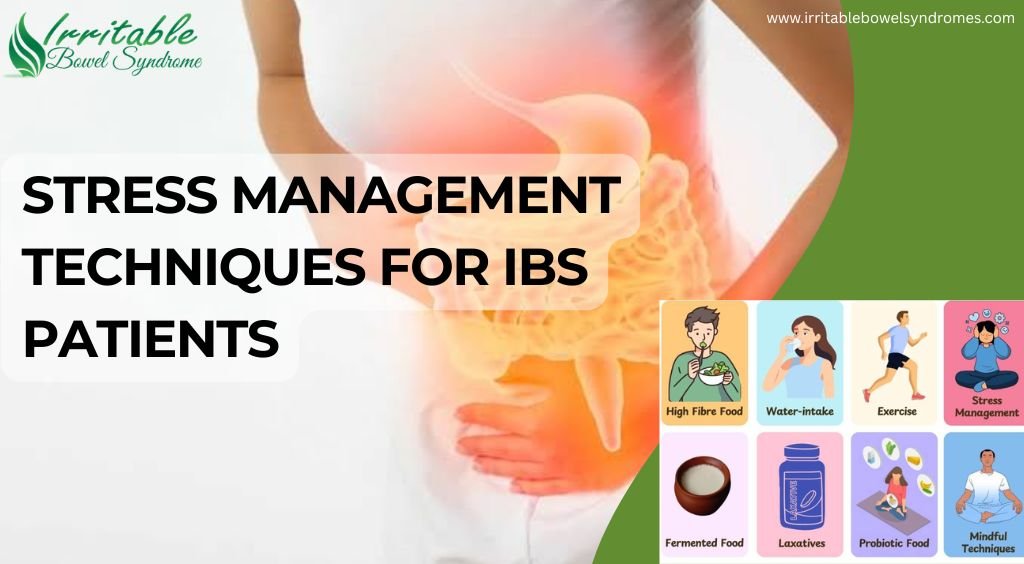
Stress management can make a positive change in frequency of attacks of IBS symptoms. Even though stress is not the cause of IBS, it can provoke or aggravate digestive problems. Incorporation of techniques of stress management into daily routine can be helpful for improvement of overall health condition and control of symptoms.
- Use deep breathing and meditation to relieve the stress and relax.
- Exercise physically regularly by means of walking or yoga.
- Sleep enough in order to restore the body and manage the stress.
- Keep a diary to detect emotions which can trigger IBS symptoms.
- Spend time on hobbies and things that you like.
- Turn to your friends and relatives for emotional assistance.
The Concluding Thoughts
Having IBS is tough but with the right approach to manage stress and lead a healthy life, one can live with manageable symptoms of this disease. However, if you want a permanent cure for IBS, you should take Ayurvedic treatment. Many patients experience positive results with no recurrence of IBS.
FAQs
Q1. Does stress have an effect on IBS symptoms?
Ans: Yes, stress can be a cause for IBS symptoms to worsen due to its effects on the brain-gut axis causing abdominal pain, bloating, diarrhea, or constipation.
Q2. What are some common symptoms of IBS?
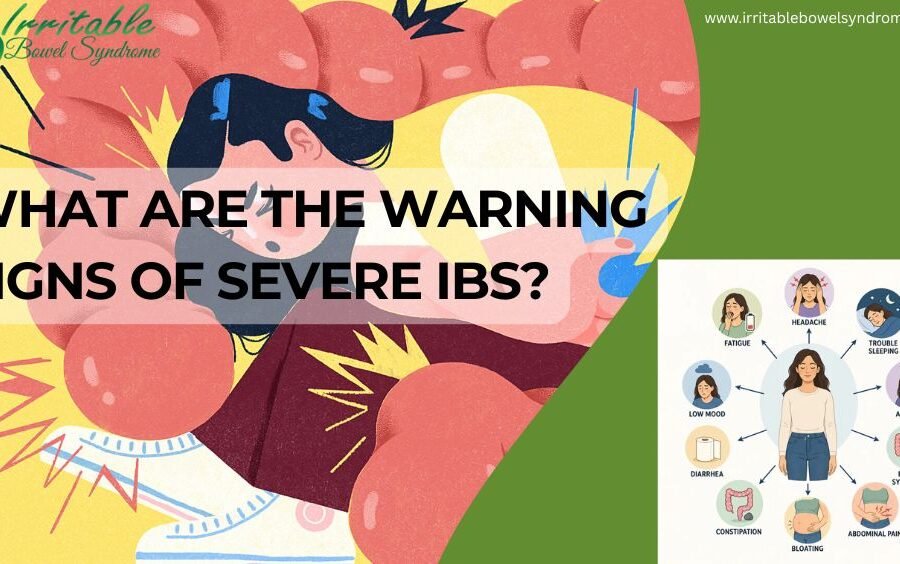
Ans: Some common symptoms of IBS are abdominal pain, bloating, excess gas, diarrhea, constipation, or a combination of both recurring regularly.
Q3. How can your diet help with managing IBS symptoms?
Ans: Yes, identifying trigger foods and following a balanced, personalized eating plan can reduce digestive discomfort and improve overall symptom management.
Q4. Is IBS a serious medical disorder?
Ans: Though IBS is not typically fatal, it causes problems that are important for day-to-day functions and psychological wellbeing.
Q5. Should I stay away from all spicy foods in case of IBS?
Ans: Spicy foods are different for each person with IBS, but they might be problematic for some people.