Summary: Manage IBS with consistent meals, hydration, gentle exercise, mindful eating, stress control, quality sleep, and symptom tracking. Identify personal triggers gradually and seek professional guidance when symptoms persist.
Living with IBS can be very unpredictable in your life. Issues such as bloating, cramping, constipation, or unexpected diarrhea can disrupt your eating, your job, and even your plans. Luckily, you can do simple things to take control.
6 Lifestyle Changes That Can Help Manage IBS
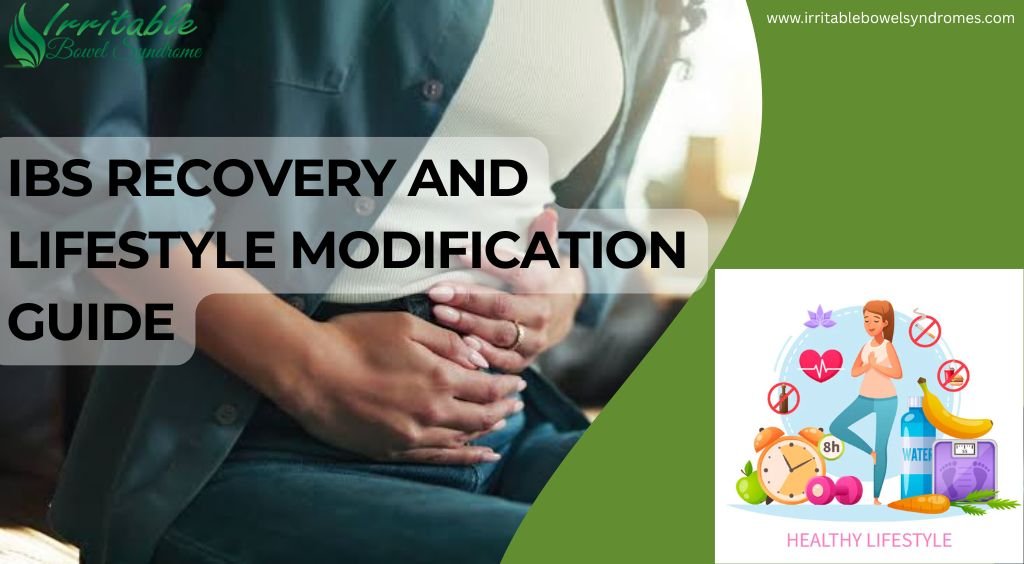
IBS management is not about sticking to an ideal schedule. It’s all about establishing routines that work for you and being consistent. Try the following tips:
- Eating Regularly:Do not skip meals or eat very large amounts of food. Consistency in meal times could lead to better digestion.
- Establishing Food Triggers: Try to establish which foods make you feel unwell by keeping a food journal.
- Increasing Fibre Intake Slowly:Fibre promotes regular bowel movements, but taking too much at once might cause gas and bloating.
- Staying Well-Hydrated: Drink lots of water daily, especially when constipation is among your symptoms.
- Exercising Daily:Simple walking or some other physical exercise that you like can promote proper digestion and minimise stress.
- Eating Properly:Chew your food carefully without hurrying to finish the meal.
To Wrap Up
IBS management is about making realistic and sustainable decisions, not perfect ones. Eating regular meals, drinking water, physical activity, conscious eating, managing stress, and sleeping well can help you to have a more solid daily routine.
It is important to record your symptoms, identify your individual triggers, and make adjustments slowly. However, before it gets worse, you should contact Daya Ayush Therapy Centre.
FAQs
Q1. Can lifestyle changes help manage IBS symptoms?
Ans: Yes. Proper meal timing, hydration, exercise, managing stress, enough sleep, and the knowledge of your food triggers will help many people alleviate IBS symptoms and live a comfortable life.
Q2. What foods should I avoid with IBS?
Ans: The IBS diet varies for each patient. Possible common food triggers are high-FODMAP foods, fatty foods, caffeine, and spices. Try to understand what causes symptoms in your case.
Q3. Can drinking more water help with IBS?
Ans: Hydration is useful for normal digestion and can be very effective during constipation. It is recommended to drink water all day and according to your own needs.
Q4. Should I increase fibre if I have IBS?
Ans: Fibre consumption is helpful in treating certain IBS symptoms such as constipation, but the abrupt increase in consumption of this nutrient may lead to gas and bloating. Try consuming it gradually.
Q5. How can I reduce IBS-related bloating?
Ans: Try to eat small portions of food, avoid foods that you know are your trigger foods, hydrate, exercise, and eat slowly. Record the symptoms that occur after certain foods or habits.