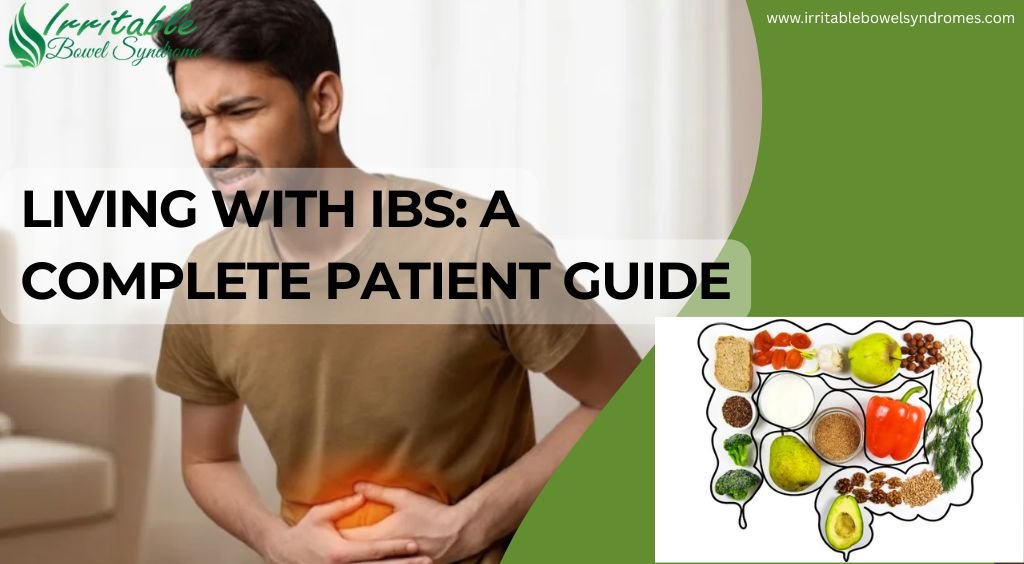
Living with IBS involves understanding symptoms, identifying personal triggers, and making healthy lifestyle changes. Balanced eating, stress management, proper sleep, and professional guidance can help improve daily digestive comfort.
Imagine experiencing digestive disturbances that can interfere with your day at any time. Irritable Bowel Syndrome (IBS) is one of the most frequent disorders of the digestive system characterized by abdominal pains, bloating, and problems with bowel movements. This web blog provides helpful tips to help manage IBS symptoms successfully.
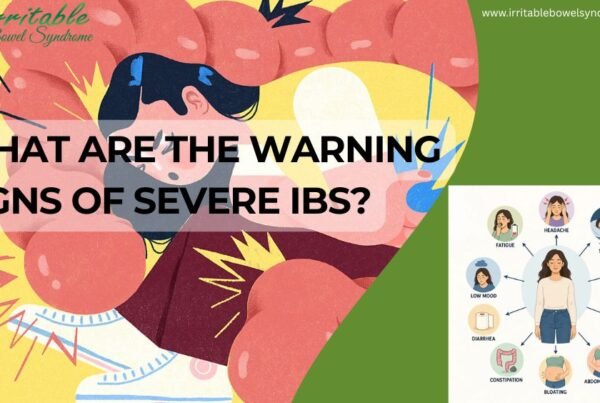
Common Symptoms of IBS
IBS can affect people differently. Common symptoms include:
- Abdominal pain or cramping
- Bloating and excess gas
- Diarrhea, constipation, or both
- Changes in bowel habits
IBS Triggers Identification
Some elements might be responsible for causing or exacerbating IBS symptoms. They vary from one patient to another but some known triggers may include:
- Foods or drinks
- Stress and anxiety
- Erratic eating schedule
- Sleeping problems
IBS Management in Everyday Life
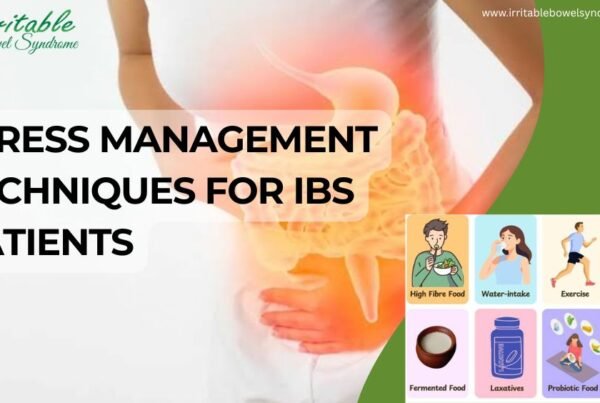
Little and constant changes can help you to deal with IBS better. For example:
- Eat properly-balanced meals.
- Drink a proper amount of water during the day.
- Do not skip your meals or eat fast.
- Keep yourself physically active as much as you can.
- Maintain healthy sleeping habits.
- Manage your stress.
How To Cure IBS Naturally
Ayurveda is considered as the best natural way to cure IBS. It takes help of herbal medicines to improve digestion and gut health. Patients experience positive results without any side effects and recurrence.
The Concluding Remarks
It can be challenging to live with IBS. You can face problems like bloating and constipation. Ayurveda provides better digestive health without any harsh side effects. Contact Daya Ayush Therapy Centre for the customized Ayurvedic treatment.
FAQS:-
Q1. Is there any possibility of curing IBS forever?
Ans: Permanent cure for IBS exists, although it is possible to cure the symptoms through Ayurvedic treatment and herbal medicines.
Q2. What types of foods should I avoid as IBS triggers?
Ans: Fatty, spicy foods, caffeine, alcohol, and high-FODMAP foods are considered common IBS triggers.
Q3. Does stress aggravate IBS?
Ans: Yes, stress and anxiety have an adverse impact on communication between the brain and digestive system.
Q4. How can I manage my IBS symptoms naturally?
Ans: Having regular meals, staying hydrated, being physically active, managing stress, getting enough sleep, and identifying IBS food triggers can help manage symptoms naturally.
Q5. Is it possible to improve IBS symptoms through my lifestyle choices?
Ans: Yes, eating, exercising regularly, sleeping well, being hydrated, and stress management can positively impact IBS symptom management on a daily basis.