Summary: Understanding the warning signs of severe IBS can help you seek timely medical care and avoid complications. Combining early diagnosis with appropriate treatment and supportive Ayurvedic care may promote better digestive health and overall well-being.
While many believe that their symptoms indicate only IBS, in actuality, it may be a sign that there is something more serious going on in your body. IBS, or irritable bowel syndrome, is one of the most common digestive disorders characterized by such symptoms as pain in the abdomen, bloating, and changes in bowel habits. Warning signs of severe issues are different from regular IBS symptoms.
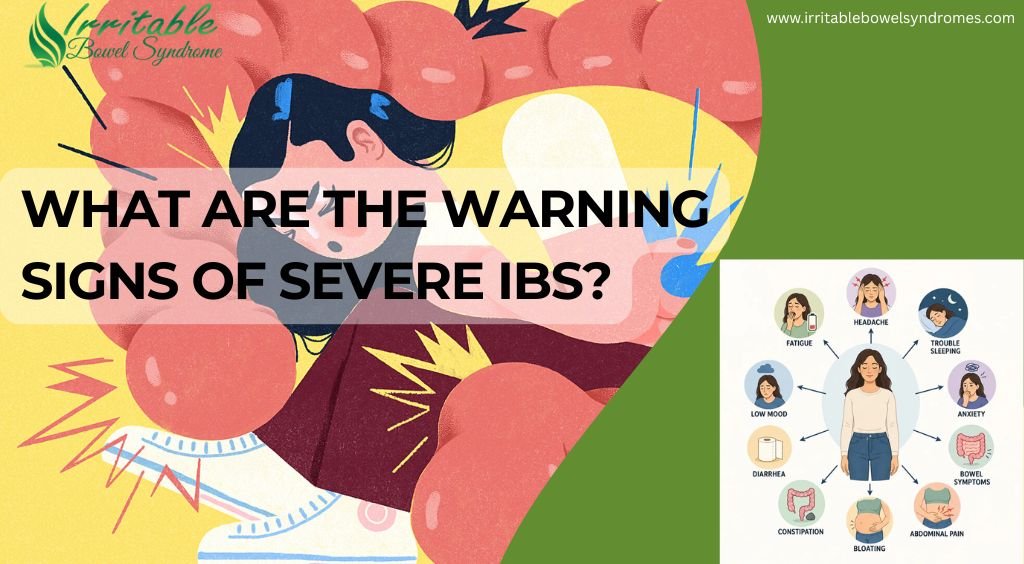
Warning Signs of Severe IBS You Should Look After
There are some signs and symptoms that one may experience in cases of IBS, whereas other signs point to something else. This knowledge will be helpful for understanding whether or not to consult a health care provider, since sometimes IBS is not to blame.
- Pain in the abdomen that does not get better after the bowel movement.
- Presence of blood in feces.
- Unexpected weight loss despite no change in eating habits or exercises.
- Persistent diarrhea, especially at night, or constipation.
- Feeling fatigued, having fever or anemia that are not usually associated with IBS.
- Trouble swallowing and vomiting.
The Bottom Line
IBS is a condition that can be managed effectively if the right measures are taken, although severe symptoms should not be overlooked and require immediate medical intervention. Consulting a doctor on time will help to avoid complications and get an accurate diagnosis. If one is looking forward to optimal digestive health, then Ayurveda provides a comprehensive strategy with the help of personal diet plans, lifestyle changes, and herbal medicines.
FAQs
Q1. Will IBS lead to weight loss?
Ans: The disorder itself is not associated with weight loss. Unexpected weight loss is a sign of some other condition that should be checked out.
Q2. Will stress contribute to IBS flare-ups?
Ans: Yes. Stress will trigger or aggravate IBS symptoms through its effects on the intestinal tract and increased pain and bloating.
Q3. Will IBS raise the chances of getting colon cancer?
Ans: No. IBS does not lead to cancer, yet any new symptoms must be evaluated to rule out other problems.
Q4. Which types of foods should patients with IBS avoid?
Ans: Foods that commonly trigger IBS include spicy food, fatty foods, caffeine, alcohol, and some foods rich in FODMAPs.
Q5. Is it possible for severe symptoms of IBS to go away on their own?
Ans: Severe symptoms cannot simply be ignored since they could indicate the presence of other illnesses.