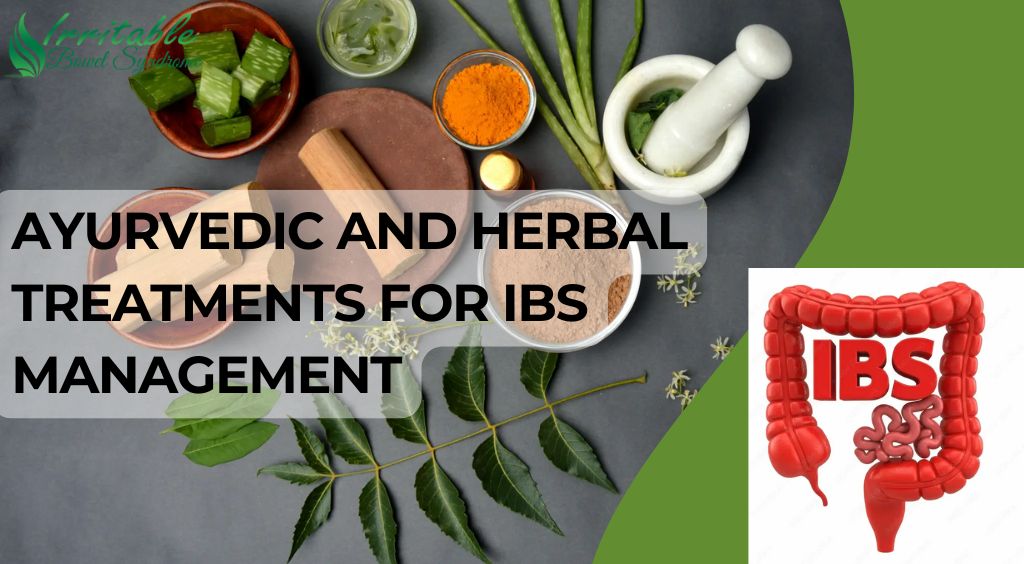
Summary: Ayurvedic and herbal treatments for IBS focus on balancing doshas, improving digestion, soothing the gut, reducing stress, and offering gentle, long-term relief by strengthening Agni and supporting overall digestive health.
Ayurveda and herbal treatments are gaining popularity as a preferred choice for the treatment of irritable bowel syndrome (IBS). It is because more people incline towards mild, natural remedies to relieve their digestive system-related problems.
IBS symptom complex consisting of abdominal pain, flatus, abdominal distension, and altered bowel habits that may hinder the normal functioning of a person. In this web blog, we will learn about how Ayurvedic and herbal treatment is beneficial for IBS management.
Understanding IBS in Ayurveda
According to Ayurveda, IBS can be classified as Grahani Roga, which is a disease that changes the digestive system and lowers the body’s ability to absorb food in a proper way. In Ayurveda, this situation is advised to be the consequence of an imbalanced Vata, Pitta, and Kapha that are the three doshas due to improper diet, stress, and weak digestion.
If Vata is increased, there may be flatulence and irregular bowels, while elevated Pitta can cause a burning sensation and loose stools. Overproduction of Kapha can make digestion slow and cause heaviness. Ayurvedic treatment is all about calming the doshas, enhancing digestion, and bringing back the digestive fire’s (Agni) natural strength.
Benefits of Ayurvedic and Herbal Treatments to Treat IBS
Ayurvedic and Herbal treatments are a safe and effective way to maintain digestive health. These healings not only soothe the intestine, but also balance the doshas and uplift vitality. They are slow-acting but deliver permanent relief without a heavy side effect burden.
- Help make digestion better and get rid of gas in the stomach.
- Soothing the digestive tract and providing the necessary nutrients for the bowel.
- Regulate Vata, Pitta, and Kapha for optimal functioning of the gut.
- Purify and strengthen the digestive fire (Agni).
- Alleviate stress and anxiety, that are the main causes of symptoms aggravation.
- Enhance gut healing and consequent happiness.
Final Wording
Ayurvedic and herbal treatments provide a mild and natural method of controlling IBS. These treatments balance the doshas, soothe the gut, and enhance digestion. They are very supportive for long-term relief. Their main emphasis is on strengthening Agni, lessening stress, and restoring the digestive system internally. Visit Daya Ayush Therapy Centre to get the best Ayurvedic and herbal treatment.
FAQs
Q1. How does Ayurveda explain IBS?
Ans: Ayurveda sees IBS as a problem of weak digestion and imbalance in Vata, Pitta, or Kapha, leading to discomfort, irregular bowels, and stress-related symptoms.
Q2. Can Ayurvedic treatments help reduce IBS symptoms?
Ans: Yes, Ayurvedic treatments help by improving digestion, calming the mind, balancing doshas, and using gentle herbs that support the gut and reduce bloating, pain, or irregular stools.Q3. Is Ayurvedic treatment safe for long-term IBS management?
Ans: Yes, Ayurvedic treatment is generally safe because it uses natural herbs, diet changes, and lifestyle practices. However, guidance from an expert ensures safe and effective long-term care.
Q4. Do Ayurvedic treatments work for all types of IBS?
Ans: Yes, treatments are personalized. Whether IBS-C, IBS-D, or mixed, Ayurveda adjusts herbs, diet, and lifestyle to match each person’s symptoms and dosha imbalance.