
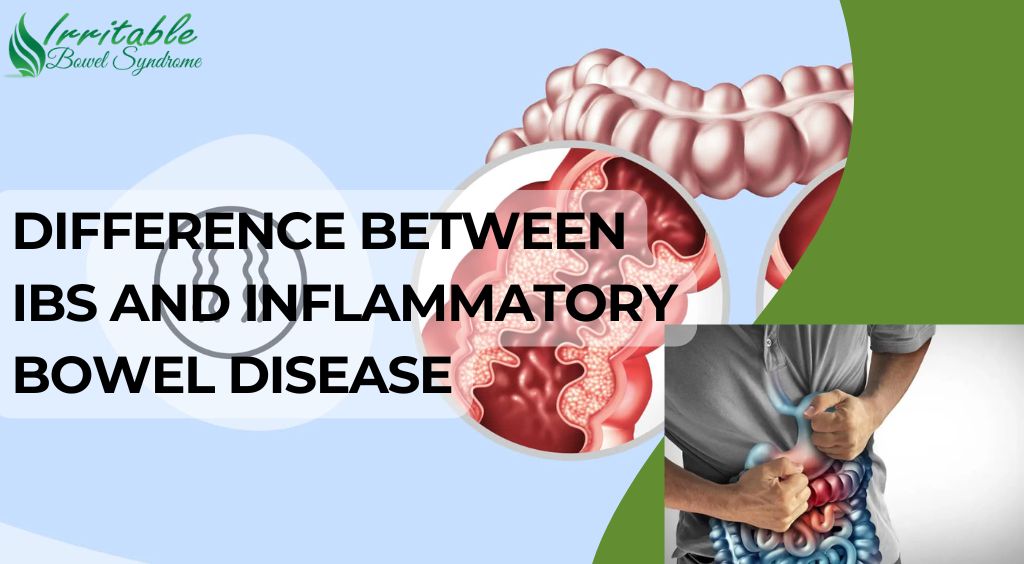
At night, you are having a simple dinner with your family and the next day it turns out to be full of stomach pain, bloating, and discomfort. Many people are suffering from this problem. These symptoms can lead to irritable bowel syndrome and inflammatory bowel disease.
Sometimes it can be confusing because both have similar symptoms. But both conditions are different from each other. Let’s learn how with the help of this web blog.
How Does IBS Differ From Inflammatory Bowel Disease?
| Feature | Irritable Bowel Syndrome | Inflammatory Bowel Disease |
| Meaning | A digestive disorder that affects bowel function | A disease that causes inflammation in digestive tract |
| Common Types | IBS-C, IBS-D, IBS-M | Crohn’s disease and Ulcerative Colitis |
| Main Cause | Stress, food triggers, sensitive intestines | Immune system problems and chronic inflammation |
| Inflammation | No visible inflammation | Causes serious inflammation and tissue damage |
| Symptoms | Bloating, gas, stomach pain, diarrhea, constipation | Severe pain, diarrhea, bleeding, weight loss, fatigue |
| Diagnosis | Based on symptoms and medical history | Blood tests, colonoscopy, scans, and biopsy |
| Treatment | Ayurvedic Treatment | Ayurvedic Treatment |
Ending Note
Both IBS and inflammatory bowel disease could appear to be the same at first glance, but they require two distinct courses of action to take. Having an idea about the correct symptoms that go along with either of the two will definitely benefit someone greatly when trying to handle their digestive system properly.
Questions That Are Frequently Asked
Q1. What is the primary difference between IBS and IBD?
Ans: IBS is a digestive disorder characterized by the impact on the bowel, whereas IBD is an inflammation affecting the digestive tract. These two diagnoses can be associated with overlapping symptoms, yet they need to be treated differently.
Q2. Is IBS capable of becoming IBD?
Ans: No, IBS cannot develop into IBD. The two diagnoses are independent of each other; however, some symptoms can be similar. That is why it is crucial to receive a proper diagnosis.
Q3. Is IBS a severe disease?
Ans: IBS can have an influence on the quality of life. However, unlike IBD, IBS does not cause any damage to the intestines. Yet, constant symptoms can negatively affect sleep, appetite, productivity, and mental health.
Q4. Could children suffer from IBS or IBD?
Ans: Yes, such diseases could appear even in children. Abdominal pain, diarrhea, lack of appetite, and fatigue shouldn’t be overlooked since they negatively affect the digestive system.
Summary: IBS and IBD are often confused digestive conditions with similar symptoms but different causes and treatments. Understanding early signs, proper diagnosis, and care helps manage symptoms and improve long-term digestive health effectively.