Summary: Irritable Bowel Syndrome affects many people worldwide. Recent studies show high global rates, varied risk factors, and lifestyle impacts. Understanding these trends helps guide better care, including effective Ayurvedic treatment options.
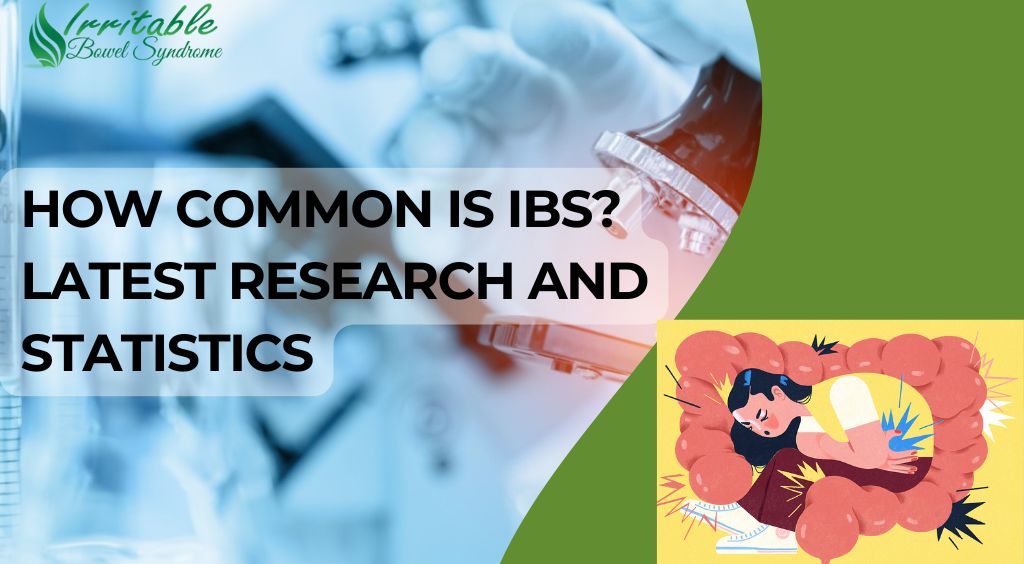
Irritable bowel syndrome is a pretty common disorder. Latest research and statistics reveal that around 10-20% of the global population is affected by this condition. IBS can lead to issues such as abdominal pain, gas, and altered bowel habits.
A great number of people have the symptoms but they don’t know which treatment will be the most effective for them. Here at this web blog, we will discuss the global distribution of the disease and talk about the risk factors.
What is the Latest Research and Statistics on IBS?
IBS can affect an individual’s life and make it hard to do regular activities. In recent studies, researchers said that IBS is very common and varies a lot by region. Let’s take an example, in South America 18.9% of the population is affected with IBS. While in Southeast Asia, it is 11%.
If we look at newer diagnostic report criteria (Rome IV), it reported that mixed-type IBS (IBS-M) is the most common subtype with a global rate of 14.1%. People who are under stress, depression or anxiety are most likely the ones having IBS. According to the research, it also mentions that people who are not into smoking, sleeping enough, exercising, and having a well-balanced diet have lower risk of IBS (42%).
Factors That Increases the Risk of IBS
Various factors can elevate the risk of a person to develop this type of digestive disorder. These risk factors may be lifestyle, past health, or even emotional state. Knowing them provides symptom relief and also allows making the right decisions. Some of the factors that lead to the condition are:
- Genetic background: When you have relatives, especially parents, who have the disease.
- Intestinal infections: Stomach or intestinal infection that happened a long time ago.
- Stress and anxiety: Depressive or stressful situations that last for a long time.
- Changing of hormones: For example, women during their periods.
- Food allergies: Eating certain food and experiencing indigestion.
- Deficiency of good bacteria in the gut: When the normal gut microbiome is disrupted.
Putting It All Together
Irritable Bowel Syndrome is a common digestive disorder that causes a significant number of people all over the globe. Comprehending its newest research, trends, and risk factors is instrumental for the patients to decide on their health in a better way. Taking Ayurvedic treatment from Daya Ayush Therapy Centre can give you permanent relief from this condition. Many people have experienced best results and now it’s your turn.
FAQs
Q1. At what age does IBS often start?
Ans: According to the research, individuals around 20 and 30 are more likely to have IBS. In this age group, symptoms become more visible.
Q2. Do women have more chances to have IBS than men?
Ans: Yes, in most of the reports, it mentioned that women have about 1.49 times higher odds of having IBS than men.
Q3. What factors can higher the risk of IBS?
Ans: Smoking, not getting enough sleep, an unbalanced diet, stress, and anxiety are the factors that increase the risk of IBS. You have to be more careful about it.
Q4. Can IBS be cured?
Ans: Yes, IBS can be cured with Ayurvedic treatment. This treatment has the potential to give you the permanent cure from IBS and stop the chances of recurrence.